
MENU
Neohumanism is an approach to education that recognises the deep interconnectedness of all life. It begins with a simple idea: children thrive when they are educated not only academically, but as whole human beings — physically, emotionally, intellectually, socially and spiritually. At The River School, Neohumanism shapes how children learn, how relationships are built, and how each child is supported to find their place in the world.
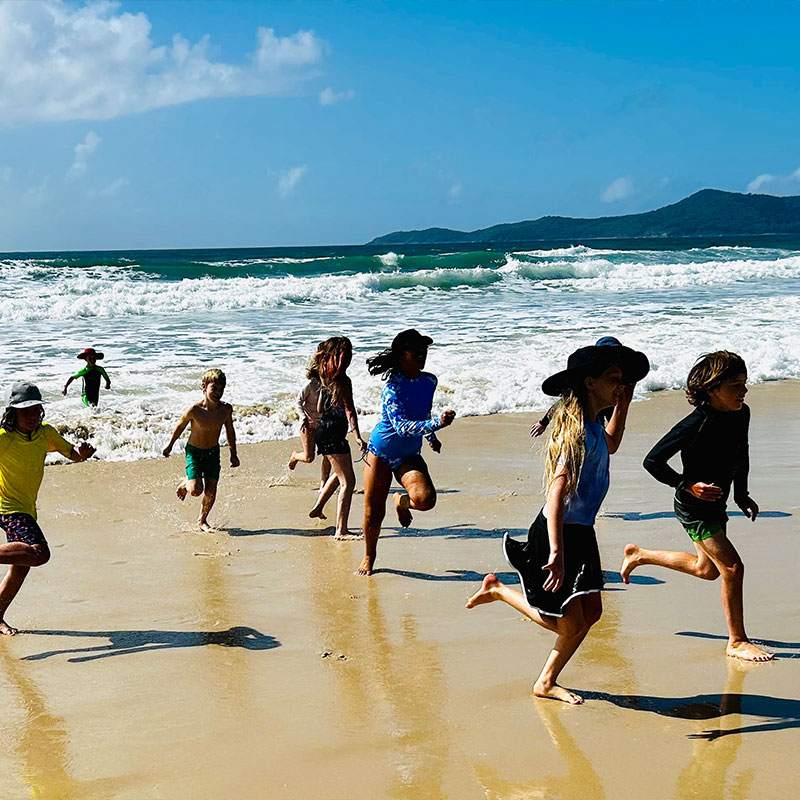
Neohumanism extends beyond traditional human-centred education. It teaches respect and care not only for people, but for animals, plants, the natural world and the wider universe. Children learn that they are part of a living system, connected to each other, to nature and to future generations.
This philosophy encourages children to see beyond narrow identities and develop empathy, responsibility and ethical awareness. It helps them understand that their actions matter, and that they have the capacity to contribute positively to the world around them.
At the heart of Neohumanist education is the development of the head, heart and hands.
The head represents thinking, learning and intellectual curiosity. Children are encouraged to ask questions, think critically and engage deeply with learning through strong academic foundations and STEAM education.
The heart represents emotional intelligence, compassion and moral awareness. Through mindfulness practices such as yoga and meditation, relationship-based learning, and service to others, children develop empathy, resilience and a strong inner compass.
The hands represent practical skills, creativity and meaningful action. Children learn by doing — growing food, building and tinkering, creating art, solving real-world problems and engaging with their environment in purposeful ways.
Together, these elements create a balanced education that prepares children for life, not just for school.
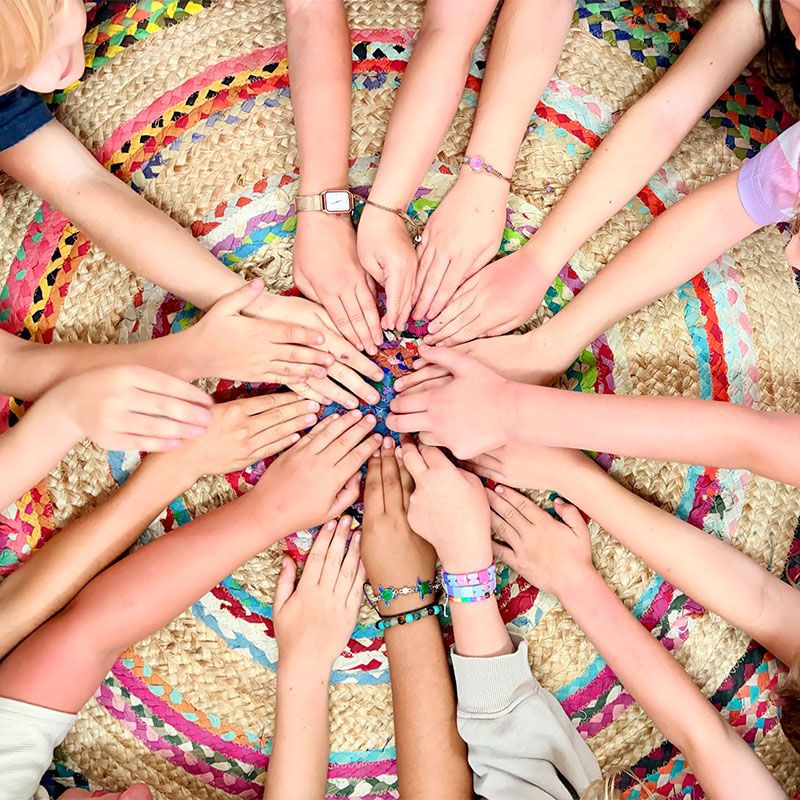

Neohumanism recognises nature as a powerful teacher. At The River School, learning unfolds from creek to classroom, with the natural environment woven into everyday experiences.
Children develop environmental awareness through gardening, sustainability practices, upcycling projects and outdoor learning. This connection supports respect for the Earth and an understanding of stewardship, helping children grow into environmentally responsible individuals who value care over consumption.

A distinctive feature of Neohumanist education is its focus on inner development. Children are supported to build self-awareness, emotional regulation and inner calm alongside academic learning.
Practices like yoga, meditation and reflective activities help children develop focus, confidence and a sense of peace. This inner grounding supports learning, strengthens relationships and equips children with lifelong tools for navigating challenge and change.

Neohumanism views education as a liberating process that helps children realise their potential rather than conform to narrow definitions of success. Learning is not driven by competition or comparison, but by curiosity, cooperation and growth.
Children are encouraged to follow their interests through passion projects, collaborative learning and creative exploration. Mistakes are seen as part of learning, and diversity of strengths is valued and celebrated.

In a world that can feel increasingly fragmented and uncertain, Neohumanist education offers children something essential: belonging, purpose and capability.
By developing emotional intelligence, ethical awareness, practical skills and a sense of connection to others and the planet, children are equipped to engage with life thoughtfully and confidently. They learn not only how to succeed, but how to care, contribute and lead with integrity.
Neohumanism recognises nature as a powerful teacher. At The River School, learning unfolds from creek to classroom, with the natural environment woven into everyday experiences.
Children develop environmental awareness through gardening, sustainability practices, upcycling projects and outdoor learning. This connection supports respect for the Earth and an understanding of stewardship, helping children grow into environmentally responsible individuals who value care over consumption.
A distinctive feature of Neohumanist education is its focus on inner development. Children are supported to build self-awareness, emotional regulation and inner calm alongside academic learning.
Practices like yoga, meditation and reflective activities help children develop focus, confidence and a sense of peace. This inner grounding supports learning, strengthens relationships and equips children with lifelong tools for navigating challenge and change.
Neohumanism views education as a liberating process that helps children realise their potential rather than conform to narrow definitions of success. Learning is not driven by competition or comparison, but by curiosity, cooperation and growth.
Children are encouraged to follow their interests through passion projects, collaborative learning and creative exploration. Mistakes are seen as part of learning, and diversity of strengths is valued and celebrated.
In a world that can feel increasingly fragmented and uncertain, Neohumanist education offers children something essential: belonging, purpose and capability.
By developing emotional intelligence, ethical awareness, practical skills and a sense of connection to others and the planet, children are equipped to engage with life thoughtfully and confidently. They learn not only how to succeed, but how to care, contribute and lead with integrity.
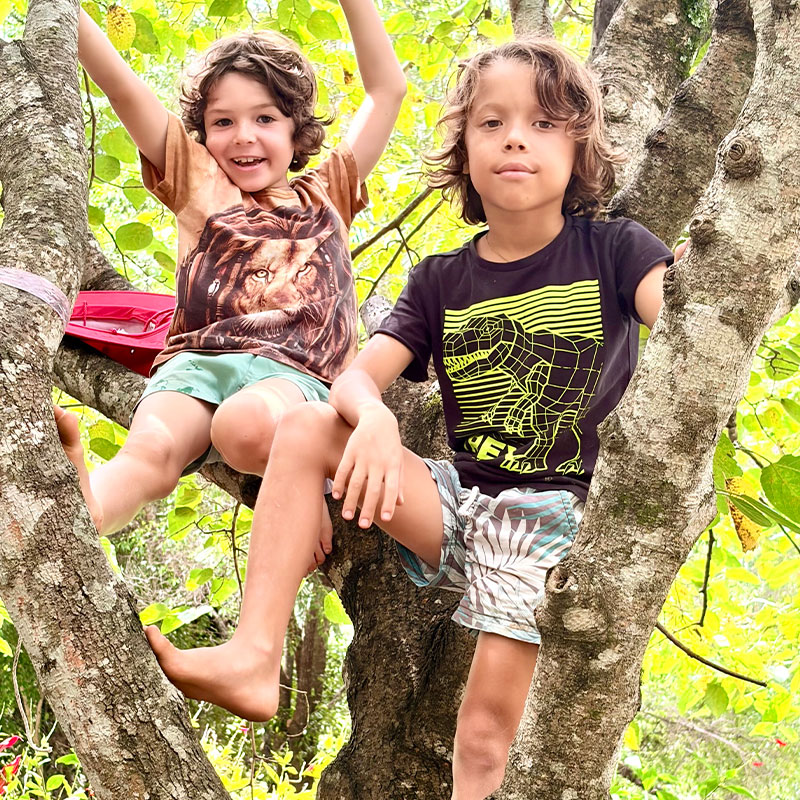
The River School is part of a global Neohumanist Education movement, while remaining deeply connected to its local Maleny community. Neohumanism is not taught as a subject but is lived through daily practice, relationships, learning environments and community life.
It shapes how children are supported, how learning is designed, and how the school community works together. The result is an education that nurtures capable, compassionate human beings who are prepared for today’s world and tomorrow’s challenges.
At The River School, children are encouraged to learn in ways that feel natural, comfortable and authentic, including the choice to wear free dress and go barefoot. This approach reflects our belief that children learn best when they are free to move, play and engage with their environment without unnecessary restriction.
Free dress supports individuality, self-expression and confidence. Choosing what to wear helps children develop independence and practical decision-making skills, including understanding what is appropriate for different activities, weather and settings. Rather than creating judgement, this approach celebrates diversity and strengthens positive self-image.


We also encourage clothing choices that reflect care for people and the planet, discouraging branded labels that promote excessive consumption or environmentally harmful industries. Barefoot learning supports healthy physical development by improving balance, coordination and spatial awareness, while also offering rich sensory experiences. Feeling connected to the ground deepens children’s relationship with nature and builds a sense of care and responsibility for the world around them.
Together, free dress and barefoot learning support confident, grounded children who feel comfortable in their bodies and connected to their environment, which is an important part of Neohumanist education at The River School.